
The model name is rarely enough
Two vehicles that look identical on a forecourt can take different parts. Engine and gearbox variants, facelifts partway through a production run, different brake or suspension specifications on the same model, and mid-year supplier changes all move the part number.
That is why we work from the vehicle's own identifiers rather than from a description. A registration mark or a chassis number ties the enquiry to one vehicle; everything else is inference.
Six things that settle most enquiries
Registration mark
The number plate. For a UK-registered vehicle this is normally the quickest route to the right variant.
Chassis or VIN number
Seventeen characters, shown on the V5C and usually stamped on the body or on a plate in the door aperture, boot floor or under the bonnet. Essential for imports, unregistered and older vehicles.
Engine code and size
The letter and number code on the engine block or plate, plus fuel type and capacity. This separates variants that share a body.
Markings on the old part
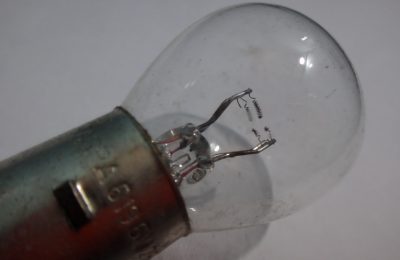
Numbers cast, stamped or printed on the item you are replacing, and the maker's name if it is legible. Send them exactly as written, including any letters and spaces.
Photographs
One of the whole part and one close enough to read the markings. A photograph settles arguments that a description starts.
Position and side
Front or rear, nearside or offside, upper or lower. Many parts differ left to right even when they look symmetrical.
If you are not sure, send more
Nobody is expected to know their engine code. Send what you have and we will tell you what else is needed — it is a shorter conversation than fitting the wrong part. Where the details do not settle it, we will say so plainly rather than guess.
Part references we quote are used to identify goods and to check them against your vehicle. They are confirmed with you before anything is ordered.